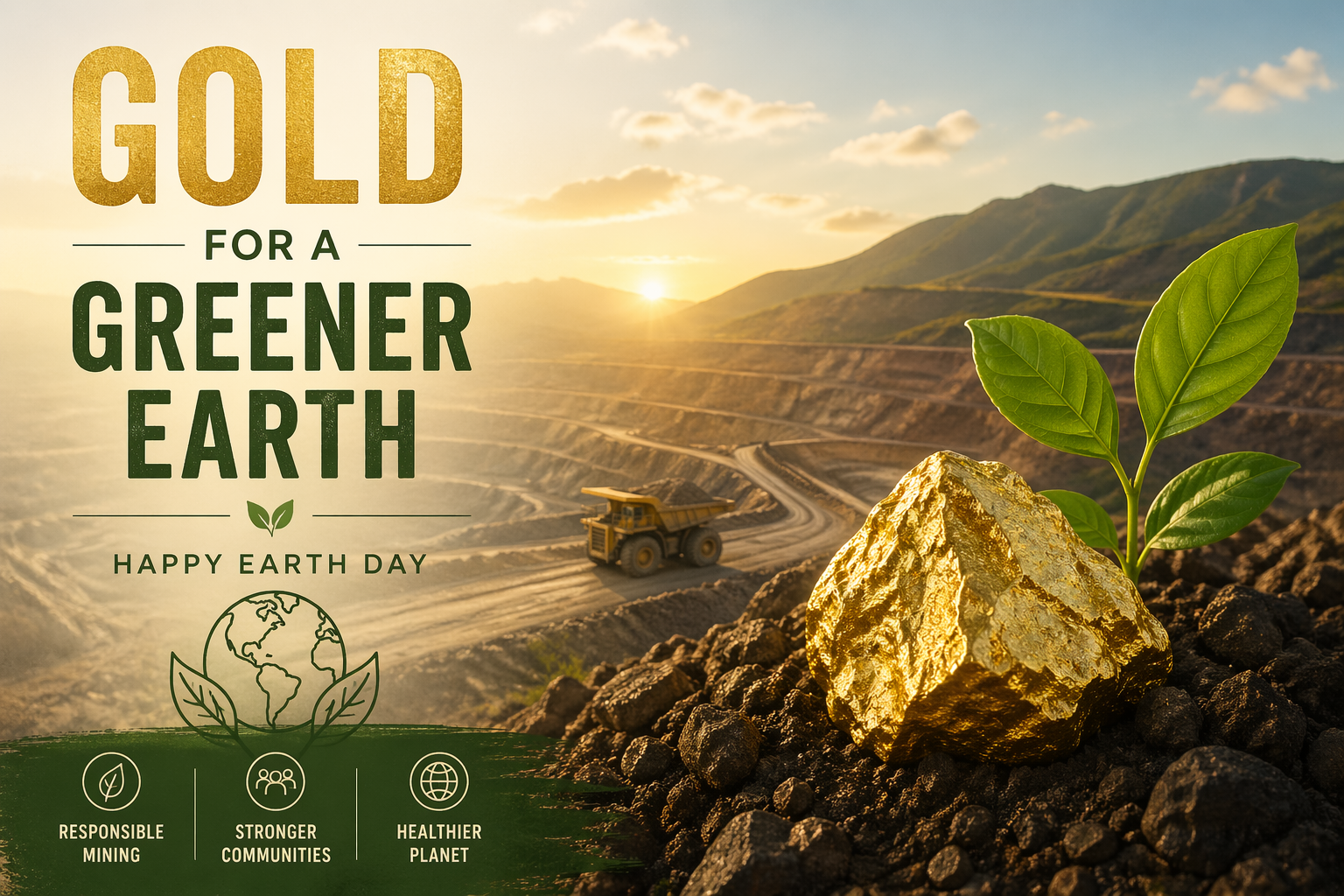
Gold, Earth Day, and Responsible Mining: A Deeper Look at Precious Metals
As Earth Day approaches, discussions often turn to humanity's impact on the planet and the imperative for sustainable practices. In the realm of investment-grade precious metals, the conversation around gold's environmental footprint is particularly pertinent. Gold, revered for millennia as a store of value and a symbol of enduring wealth, is a finite resource extracted from the Earth. Understanding the processes involved in bringing this metal to market, and the industry's evolving commitment to responsible mining, is crucial for discerning investors.
The Environmental Footprint of Gold Mining
The extraction of gold, like any large-scale mining operation, carries environmental considerations. Historically, certain mining practices have been associated with habitat disruption, water contamination, and energy consumption. For instance, traditional placer mining, while less common today, could alter river ecosystems, and some chemical extraction methods, if not managed rigorously, posed risks to local environments.
According to the World Gold Council, the gold mining industry has made significant strides in recent decades towards mitigating its environmental impact. Modern gold mining operations are increasingly regulated and employ advanced technologies and practices designed to minimize ecological disturbance and promote rehabilitation.
Key areas of focus for responsible mining include:
Water Management: Implementing closed-loop systems to recycle water, reducing fresh water intake, and treating discharge to meet stringent environmental standards.
Energy Efficiency: Investing in renewable energy sources (solar, wind) and optimizing operational efficiency to lower carbon emissions.
Biodiversity Protection: Developing comprehensive plans for land rehabilitation and biodiversity offsets, aiming to restore mined areas to their natural state or better.
Waste Management: Safely managing tailings and waste rock, often through dry stacking or co-disposal, to prevent environmental contamination.
The journey of gold from the mine to an investment-grade asset is complex, and American Standard Gold recognizes the importance of transparency and ethical sourcing in this process.
The Shift Towards Responsible Sourcing and Sustainability
The precious metals industry has witnessed a profound shift towards greater accountability and sustainability. Organizations such as the World Gold Council, through its Responsible Gold Mining Principles (RGMPs), provide a robust framework for environmental, social, and governance (ESG) best practices in gold mining. These principles cover a wide array of factors, from human rights and labor practices to environmental stewardship and community engagement.
Investors seeking to acquire physical precious metals are increasingly conscious of these factors. They understand that the long-term value and integrity of their investment are intertwined with the ethical sourcing and sustainable production of the metal itself. This is why American Standard Gold exclusively sources from authorized mints and LBMA-approved refiners, entities known for their adherence to stringent ethical and environmental standards. The London Bullion Market Association (LBMA) Good Delivery List, for example, includes requirements for responsible sourcing, ensuring that gold and silver are not associated with conflict financing, human rights abuses, or environmental degradation.
Gold's Role in a Sustainable Future
Beyond its traditional role as a financial safe haven, gold also plays a vital role in modern technology, including renewable energy solutions. Its exceptional conductivity and resistance to corrosion make it indispensable in:
Solar Panels: Gold is used in thin films and electrical connections to enhance efficiency and durability.
Electronics: Essential for reliable connections in computers, smartphones, and other devices, minimizing waste through extended product lifespans.
Medical Devices: Its biocompatibility makes it ideal for critical medical applications.
These applications underscore gold's contribution to a more technologically advanced and, in many respects, more sustainable future. The demand for gold in these sectors further emphasizes the need for responsible mining practices that ensure a continuous, ethically sourced supply.
Investing with Integrity: The American Standard Gold Approach
At American Standard Gold, we believe that wealth preservation should not come at the expense of environmental or social responsibility. Our commitment to providing investment-grade precious metals extends to ensuring that the metals we offer are sourced with the highest ethical and environmental considerations in mind. We work diligently to educate our clients on the provenance of their assets, offering peace of mind alongside robust portfolio diversification.
For those considering gold, silver, platinum, or palladium as a component of their wealth preservation strategy, understanding the broader context of precious metals production is invaluable. Our expert advisors are dedicated to guiding high-net-worth individuals, retirees, and families through the complexities of the market, offering insights into responsible sourcing and the enduring value of physical assets.
As we observe Earth Day, it serves as a timely reminder that responsible stewardship applies not only to our natural resources but also to our financial decisions. Choosing to invest in precious metals sourced through ethical and sustainable means is a powerful statement of integrity and foresight.
To explore how investment-grade precious metals can fortify your portfolio with confidence and responsibility, we invite you to schedule a complimentary consultation with an American Standard Gold expert advisor. Contact us at (832) 210-1560 or email info@americanstandardgold.com, or visit americanstandardgold.com to learn more.
Export JSON