1.The Conscious Shift in Gold Investing
Gold has always symbolized wealth and permanence. But in today’s world,howthat gold is obtained has become just as important as owning it. Modern investors are increasingly asking:Where did this gold come from? Who mined it? And at what cost?
Across the financial landscape,ESG principles (Environmental, Social, and Governance)have redefined what “responsible investing” means — extending even to the world’s oldest store of value. Investors now seek assurance that their gold was sourced ethically, with respect for both people and the planet.
2.The Environmental Dimension
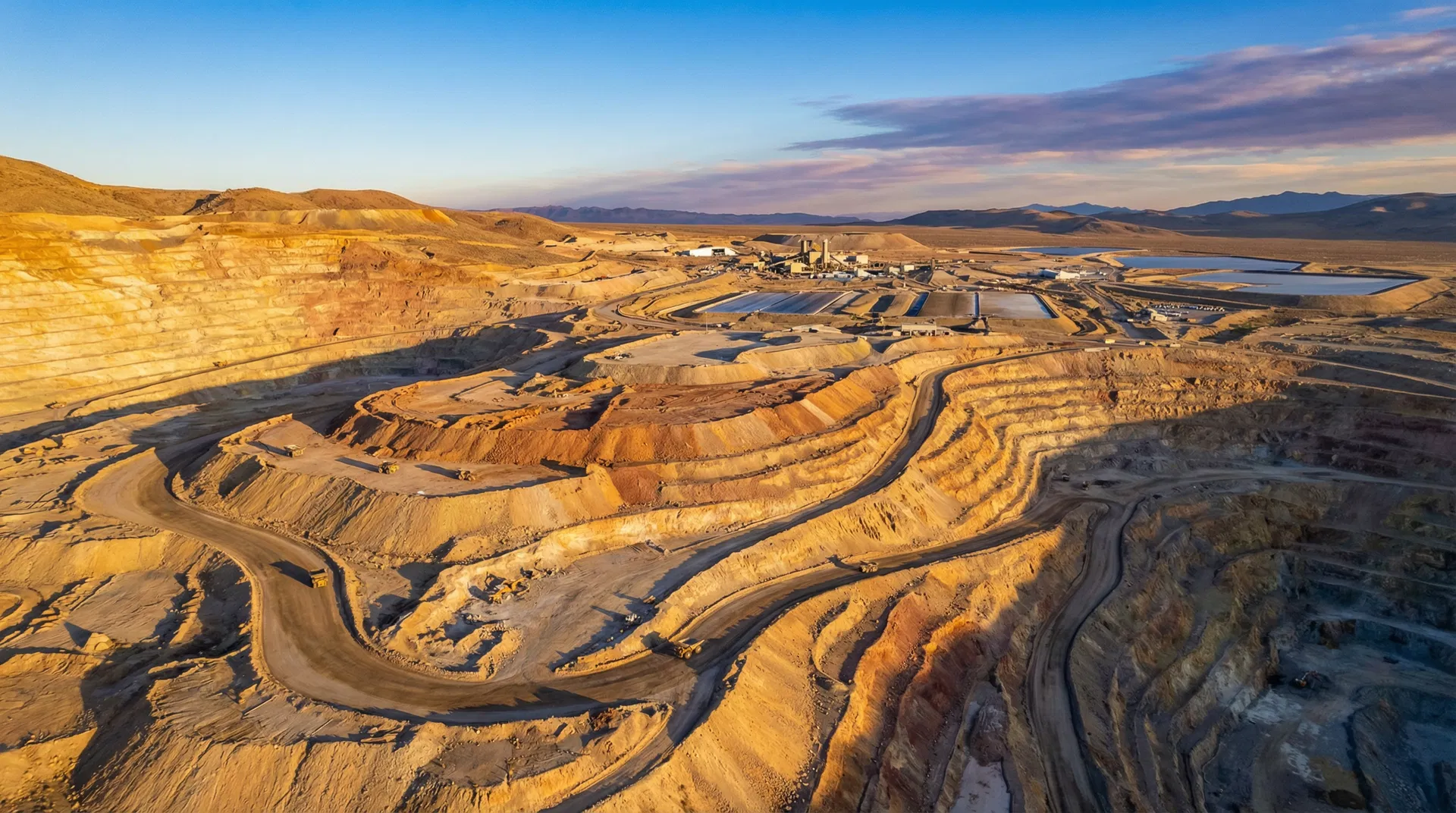
Traditional gold mining can have a profound impact on the environment — from deforestation and soil degradation to carbon emissions and chemical runoff. As awareness grows, many refineries and mining companies have begun adopting more sustainable practices:
- Reducing waste and water use throughclosed-loop refining systems.
- Usingrenewable energyin extraction and processing.
- Supportingreforestation and carbon-offset initiatives.
This evolution is reshaping perceptions of gold as not just a symbol of wealth, but ofstewardship and responsibility.
3.Human Impact and Ethical Sourcing
Beyond environmental factors lies a human story. In parts of the world, unregulated mining can involve unsafe labor conditions, unfair wages, and even exploitation. Ethical sourcing seeks to eliminate these practices by promotingtransparency and accountabilitywithin the supply chain.
Efforts such asFairminedandResponsible Jewellery Council certificationsensure that miners and communities benefit from fair compensation and safe working environments. These standards are helping reshape the global gold trade into one that rewards integrity as much as it does profit.
4.Recycled Gold and the Rise of “Urban Mining”
A fascinating innovation in sustainable gold comes from recycling. “Urban mining” — the process of extracting gold from electronic waste and reclaimed materials — is gaining traction worldwide.
Recycling precious metals not only reduces the need for new mining but alsorecovers gold from existing resources, turning waste into value. This movement towardcircular supply chainshelps bridge the gap between sustainability and profitability, giving investors more confidence in the origins of their metals.
5.The Investment Perspective
Ethical and sustainable sourcing doesn’t just make moral sense — it makes market sense. Institutional investors and private wealth advisors alike now integrate ESG criteria into portfolio strategy. As a result, responsibly sourced gold is increasingly viewed asa premium product, backed by long-term stability and social value.
The shift reflects a larger trend: in modern finance,trust and transparency are as valuable as returns. Gold, in its purest and most responsible form, continues to deliver both.
6.How to Approach Responsible Gold Ownership
For investors who value ethics alongside performance, there are thoughtful ways to align their portfolios with their principles. Many now look for signs oftraceability,credible sourcing, andenvironmental awarenessfrom the companies and partners they engage with.
Whether it’s through reputable advisors, respected refiners, or trusted institutions, the key lies inmaking informed choices— balancing financial goals with a sense of responsibility toward the future.
Mining ethics and sustainability are no longer side conversations — they’re central to how gold is viewed, valued, and invested in. As transparency improves and consumer awareness grows, the next era of gold ownership will be defined not only bywhat you hold, buthow and why you hold it.
In the end, responsible gold doesn’t just preserve wealth — it reflects wisdom.