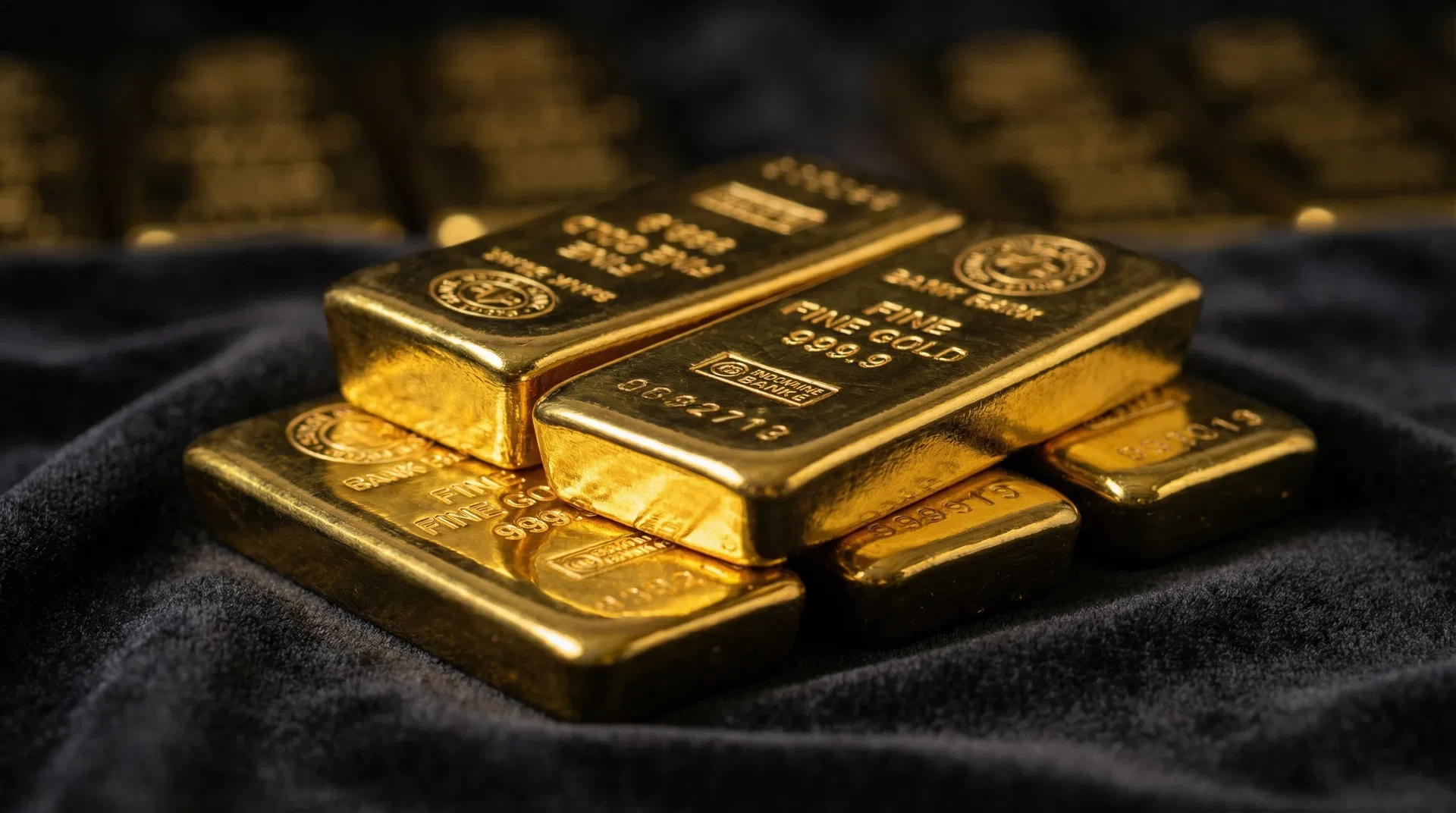
Geopolitical instability, particularly in the Middle East, has historically been a significant driver for commodity markets, none more so than crude oil. When Middle Eastern tensions escalate, the immediate concern often revolves around oil supply disruptions, leading to an 'oil shock' that reverberates globally. This environment of uncertainty and potential economic upheaval frequently propels investors towards traditional safe-haven assets. Among these, gold stands out as a premier choice for wealth preservation.
American Standard Gold provides expert advisory services to high-net-worth individuals, retirees, and families seeking to navigate these complex market dynamics. We understand that in times of heightened geopolitical risk, understanding the interplay between global events and your investment portfolio is paramount.
Table of Contents
- The Oil Shock and Gold Correlation
- Geopolitical Risk Premium: Why Gold Shines
- Historical Precedents: Gold's Reaction to Crises
- Inflationary Pressures from Rising Oil Prices
- Diversification: A Core Strategy Amidst Volatility
- How to Invest in Physical Gold During Uncertainty
- Frequently Asked Questions About Gold and Geopolitics
What is the Correlation Between Oil Shocks and Gold Prices?
An 'oil shock' typically refers to a sudden and significant increase in oil prices, often triggered by supply disruptions, geopolitical events, or increased demand. Historically, there has been a notable, though not always direct, correlation between rising oil prices and gold prices. When the cost of crude oil surges, it tends to fuel inflation, as energy is a fundamental input for nearly all goods and services. Gold is widely regarded as a hedge against inflation, meaning its value tends to rise as the purchasing power of fiat currencies declines.
For instance, during periods of significant oil price volatility, such as the 1970s oil crises or the early 2000s commodity boom, gold demonstrated its ability to maintain or increase its value. According to the World Gold Council, gold has historically performed well during periods of high inflation, often outpacing other asset classes. This makes it a critical component for investors concerned about the economic fallout from escalating Middle Eastern tensions.
How Do Geopolitical Risks Drive Demand for Gold?
Geopolitical risk introduces a layer of uncertainty into financial markets, prompting investors to seek safety. This phenomenon is often referred to as a 'risk premium' for safe-haven assets. When conflicts or instability arise, particularly in regions vital to global energy supply like the Middle East, the perceived risk to global economic stability increases. This drives capital away from riskier assets like stocks and towards reliable stores of value.
Gold's role as a neutral, universally accepted asset makes it an ideal safe haven. Unlike national currencies, gold is not subject to the monetary policies or political whims of any single government. This inherent stability makes it particularly attractive during times of international tension, providing a tangible asset that retains value when other investments falter. Our Why Invest in Precious Metals page further elaborates on gold's unique attributes.
Historical Precedents: Gold's Reaction to Crises
Examining historical data reveals a consistent pattern: gold often rallies during periods of significant geopolitical unrest and oil price spikes. Consider these examples:
- 1973 Oil Embargo: Following the OPEC oil embargo, crude oil prices quadrupled. Concurrently, gold prices surged from approximately $100 per ounce to over $180 per ounce by 1974, demonstrating its inflation-hedging capabilities.
- 1979 Iranian Revolution: The disruption of Iranian oil supplies led to another oil shock. Gold, which was around $200 per ounce at the start of 1979, skyrocketed to over $800 per ounce by early 1980.
- Gulf War (1990-1991): Iraqi invasion of Kuwait caused oil prices to double. Gold experienced a significant, albeit short-lived, rally as investors sought refuge from the uncertainty.
- Post-9/11 Era: In the wake of the September 11th attacks and subsequent conflicts, gold embarked on a multi-year bull run, reflecting heightened global insecurity and a flight to safety.
These instances underscore gold's robust performance as a crisis hedge, especially when oil prices are impacted by geopolitical events.
Understanding Inflationary Pressures from Rising Oil Prices
The link between oil prices and inflation is fundamental. Energy costs permeate every sector of the economy, from transportation and manufacturing to agriculture. When oil prices rise sharply, businesses face higher operational costs, which are often passed on to consumers in the form of higher prices for goods and services. This leads to a general increase in the cost of living, eroding purchasing power.
Central banks may respond to inflation by raising interest rates, which can slow economic growth. However, in situations where inflation is driven by supply-side shocks, like an oil shock, monetary policy can be less effective and may even risk stagflation (high inflation combined with stagnant economic growth). In such an environment, investment-grade physical gold offers a tangible asset that has historically preserved wealth against inflationary erosion. Our advisory process helps clients understand these economic nuances.
Why is Diversification with Gold Crucial Amidst Middle Eastern Tensions?
A well-diversified investment portfolio is designed to mitigate risk by spreading investments across various asset classes that react differently to market conditions. During periods of Middle Eastern tensions and potential oil shocks, traditional equity and bond markets can experience significant volatility.
Physical precious metals, particularly gold, often exhibit a low or negative correlation with stocks and other financial assets. This means that when equities decline due due to geopolitical fears or economic uncertainty, gold may hold its value or even appreciate, providing a crucial counterbalance to portfolio losses. For high-net-worth individuals and families, diversifying a portion of their wealth into physical gold, silver, platinum, and palladium from authorized mints and LBMA-approved refiners is a prudent strategy for long-term wealth preservation.
How to Invest in Physical Gold During Geopolitical Uncertainty
For investors looking to safeguard their assets against geopolitical instability and potential oil shocks, investing in physical gold offers a compelling solution. American Standard Gold specializes in helping clients acquire investment-grade precious metals. Options include:
- Direct Purchase of Physical Metals: Owning physical gold bars or coins, stored securely or delivered directly.
- Gold & Silver IRAs: Utilizing a self-directed IRA to hold physical gold and silver, offering tax advantages while providing exposure to precious metals. Learn more on our Gold & Silver IRA information page.
Our expert advisors guide clients through the process, ensuring adherence to the highest standards of authenticity and security. We pride ourselves on offering transparent, trustworthy advice, helping clients make informed decisions to protect their financial future.
Frequently Asked Questions About Gold and Geopolitics
Does gold always rise during Middle Eastern tensions?
Gold does not always rise during Middle Eastern tensions, but it has historically demonstrated a strong tendency to act as a safe-haven asset during periods of geopolitical instability, particularly when these tensions threaten global oil supplies or lead to broader economic uncertainty.
How do oil prices affect the value of gold?
Oil prices affect the value of gold primarily through their impact on inflation. Higher oil prices can lead to increased production costs and consumer prices, driving inflation. Gold is traditionally seen as a hedge against inflation, so its value often increases as inflationary pressures mount.
Is gold a good investment during an oil shock?
Gold can be a good investment during an oil shock because oil shocks often trigger inflation and economic uncertainty. As a safe-haven asset and inflation hedge, gold tends to perform well in such environments, helping to preserve purchasing power and provide portfolio stability.
What role do central banks play in gold's value during crises?
Central banks play a significant role in gold's value during crises by influencing monetary policy. Their actions, such as interest rate decisions or quantitative easing, can impact inflation expectations and currency strength, indirectly affecting gold's attractiveness as an alternative store of value. Many central banks also hold gold as part of their reserves.
How can I protect my portfolio from geopolitical risks?
Protecting your portfolio from geopolitical risks involves diversification across various asset classes, including a strategic allocation to investment-grade physical precious metals like gold. This helps mitigate the impact of market volatility and currency devaluation often associated with global instability. Considering a complimentary consultation with an expert advisor can help tailor a strategy for your specific needs.
American Standard Gold remains committed to providing authoritative insights and expert guidance on precious metals investments. For a deeper discussion on how current events might impact your wealth preservation strategy, we invite you to schedule a complimentary consultation with one of our expert advisors. Contact us today at (832) 210-1560 or visit americanstandardgold.com.