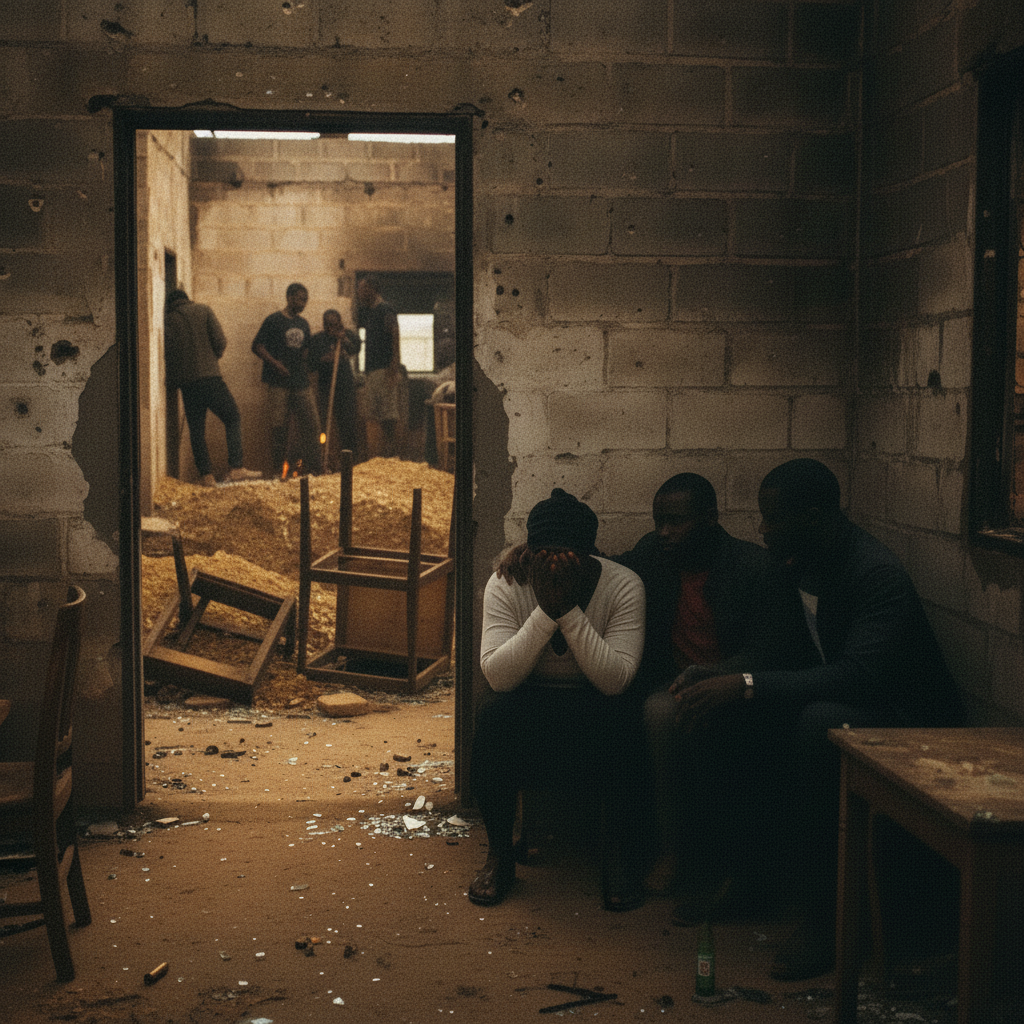
Overview of the Tragic South Africa Mass Shootings
In a devastating sequence of events, at least 27 to 28 people were killed across two separate overnight mass shootings at bars and taverns in South Africa. One of the primary incidents, which took place in the Wedela township southwest of Johannesburg, has been directly tied by authorities to a violent and escalating illegal gold-mining turf war. These violent confrontations underscore deep-seated challenges in the region's resource sector, highlighting the severe risks associated with illicit extraction and organized crime networks operating around major precious metals hubs.
According to reports from the South African Police Service, eight suspects armed with AK-47 assault rifles and pistols opened fire on patrons inside and outside a tavern in Wedela. The attack resulted in a mounting death toll that ultimately reached 18 victims after individuals succumbed to their injuries in local hospitals. A simultaneous or closely timed separate incident in Lwandle near Cape Town claimed the lives of another 10 people at an entertainment venue, leaving communities shaken and security forces scrambling to restore order.
TL;DR: Key Takeaways on the South Africa Gold Mining Violence
- Death Toll: At least 28 people were killed across two separate mass shooting events near Johannesburg and Cape Town.
- Gold Mining Connection: Law enforcement officials confirmed that the Wedela tavern massacre is heavily linked to an ongoing turf war among illegal gold-mining syndicates.
- Weaponry Used: Perpetrators utilized military-grade hardware, including AK-47 assault rifles, demonstrating high levels of tactical coordination and criminal organization.
- Broader Implications: The crisis highlights vulnerabilities within the global supply chain and the dark reality of the illicit precious metals trade, contrasting sharply with secure channels like authorized mints and LBMA-approved refiners.
How Illegal Gold Mining Feeds Into Regional Conflict
South Africa has long stood as a foundational pillar of the global gold mining industry. However, thousands of unregistered miners—known locally as zama zamas, meaning “to take a chance” in Zulu—operate within abandoned shafts and marginal deposits across the Gauteng province. Over the past decade, these informal operations have transformed into heavily armed, militarized criminal syndicates engaged in brutal turf wars over territory, shafts, and the lucrative black-market trade.
Gauteng province police commissioner Tommy Mthombeni briefed media outlets indicating that the latest massacre was treated primarily as a targeted retaliatory strike connected to a previous altercation at the exact same establishment. Because legitimate wealth preservation requires complete ethical transparency and adherence to international regulatory frameworks, ethical investors frequently evaluate how geopolitical instability and localized crime impact long-term asset security. For individuals looking to understand secure acquisition channels, exploring our expert guide on why gold and silver matter provides crucial context on distinguishing ethical bullion from conflict-tainted materials.
Understanding the Scale of Illicit Precious Metals Networks
The illegal extraction of precious metals is not merely a localized law enforcement issue; it represents a multi-billion-dollar shadow economy that subverts national revenues and funds violent paramilitary factions. Investigations into the Wedela shooting revealed that victims included local residents as well as foreign nationals from neighboring Lesotho, where many impoverished individuals are drawn into the transnational underground mining network.
When illicit operations dominate regional output, the physical integrity and ethical sourcing of precious metals face severe scrutiny. Institutional and private investors increasingly demand absolute transparency regarding supply chain origins. By adhering strictly to protocols established by recognized international authorities, investors ensure their portfolios remain insulated from illicit exploits. For a comprehensive look at how professional advisory services navigate these complexities, review our detailed advisory process overview.
Frequently Asked Questions
What caused the mass shootings in South Africa?
The mass shootings resulted from coordinated attacks by armed gangs at entertainment venues in Wedela (near Johannesburg) and Lwandle (near Cape Town). Police officials confirmed that the Johannesburg-area shooting was linked to a violent turf war between rival factions involved in illegal gold mining.
Who are the zama zamas in South Africa's gold sector?
Zama zamas are informal, unregistered miners who extract gold from abandoned or disused mining shafts across South Africa. While some operate out of economic desperation, many are incorporated into violent, well-armed criminal syndicates that control illicit trade routes.
How do illegal mining turf wars impact global precious metals markets? While localized violence in South Africa severely impacts regional security and community safety, it highlights the vital necessity of purchasing physical assets exclusively through transparent, verified channels that guarantee conflict-free sourcing from certified refiners.
What steps are being taken to curb violent crime linked to mining?
South African security forces, including the national police service and specialized military units, have deployed emergency operations to target illegal mining shafts, dismantle syndicate leadership, and suppress the proliferation of military-grade firearms in affected townships.