Table of Contents
- Introduction to Precious Metal IRAs
- What is a Precious Metal IRA?
- Why Consider Precious Metals for Retirement?
- Eligible Precious Metals for Your IRA
- How to Establish a Precious Metal IRA
- Choosing a Custodian and Depository
- Funding Your Precious Metal IRA
- Key Benefits of a Precious Metal IRA
- Potential Risks and Considerations
- The American Standard Gold Advantage
- Frequently Asked Questions About Precious Metal IRAs
Starting a Precious Metal IRA: Your Guide to Retirement Security
In an era of economic uncertainty and fluctuating markets, many high-net-worth individuals, retirees, and families are seeking robust strategies to preserve and grow their wealth. One such strategy gaining significant traction is starting a precious metal IRA. This specialized retirement account allows investors to hold physical gold, silver, platinum, and palladium, offering a tangible hedge against inflation and market volatility.
As an investment-grade precious metals advisory firm, American Standard Gold (ASG) helps clients navigate the complexities of precious metals investing, ensuring their retirement portfolios are fortified with tangible assets. Our expert advisors provide personalized guidance, helping you understand how a precious metal IRA can integrate into your broader wealth preservation strategy.
What is a Precious Metal IRA?
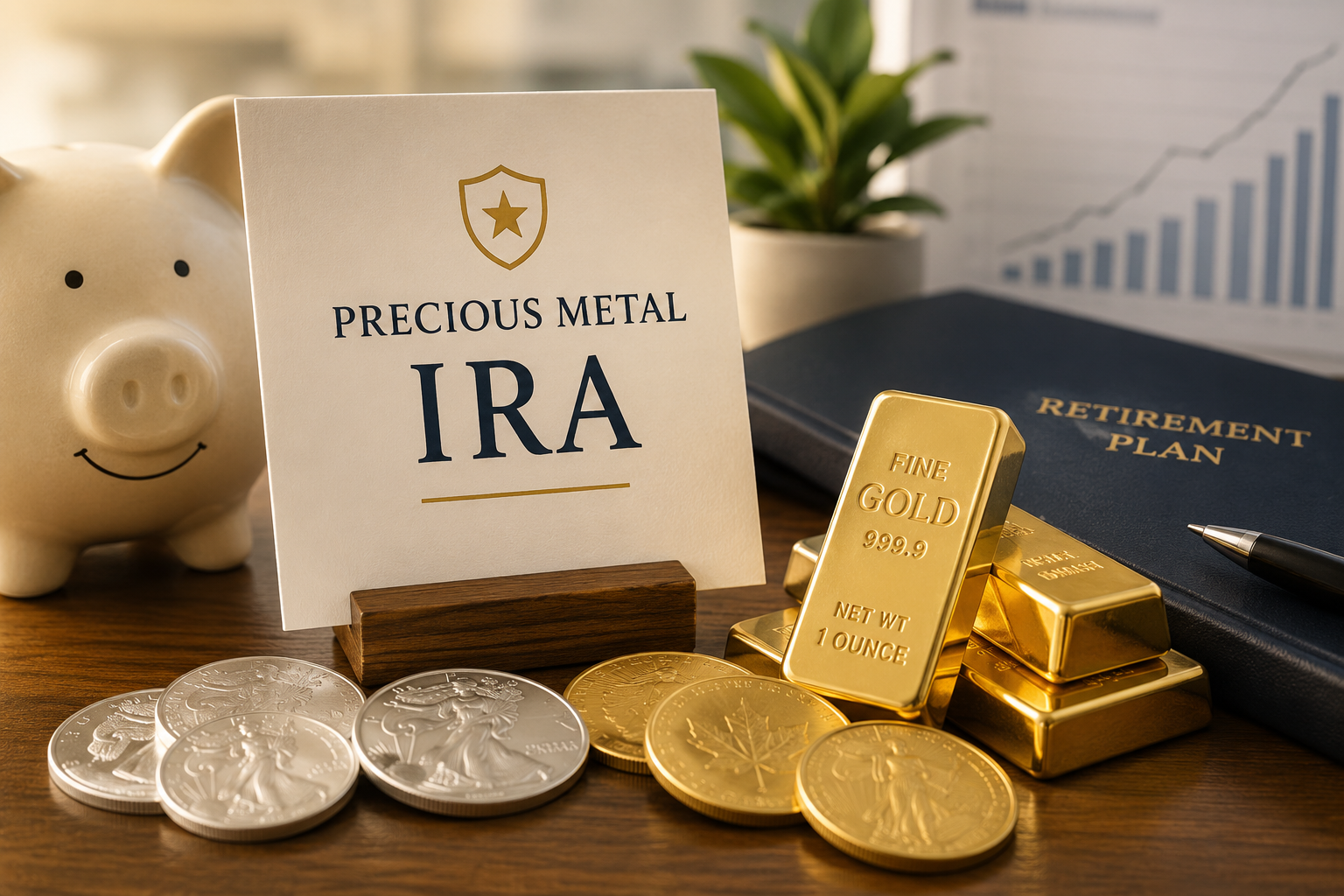
A precious metal IRA, often referred to as a Gold IRA, is a self-directed Individual Retirement Account that permits the holding of physical precious metals rather than traditional paper assets like stocks, bonds, or mutual funds. Unlike conventional IRAs, which typically invest in securities, a precious metal IRA provides direct ownership of tangible assets, offering a unique layer of diversification and protection for your retirement savings. This form of precious metals investing is sanctioned by the IRS, provided specific guidelines regarding the purity and storage of the metals are followed.
Why Consider Precious Metals for Retirement?
The decision to include precious metals in a retirement portfolio stems from their historical role as a store of value and a hedge against economic instability. Here are several compelling reasons:
- Inflation Hedge: Precious metals, particularly gold, have historically maintained their purchasing power during periods of inflation, unlike fiat currencies that can lose value.
- Market Volatility Protection: During stock market downturns, precious metals often exhibit an inverse correlation, providing a safe haven for capital. For instance, during the 2008 financial crisis, gold prices saw significant gains while equities plummeted.
- Diversification: Adding physical precious metals to a portfolio diversifies asset allocation, reducing overall risk exposure. This is a core principle of sound portfolio advisory.
- Tangible Asset: Unlike digital or paper assets, physical precious metals offer a sense of security and direct ownership that many investors value.
- Global Demand: Gold and silver have intrinsic value driven by industrial, technological, and jewelry demand, alongside their investment appeal.
According to the World Gold Council, gold has delivered an average annual return of approximately 10.4% over the past 50 years, demonstrating its long-term wealth preservation capabilities.
Which Precious Metals Are Eligible for Your IRA?
The IRS specifies which types of precious metals can be held within a precious metal IRA. These must meet stringent purity standards. The eligible metals include:
- Gold: Must be 99.5% pure (e.g., American Gold Eagle, Canadian Gold Maple Leaf, Gold American Buffalo).
- Silver: Must be 99.9% pure (e.g., American Silver Eagle, Canadian Silver Maple Leaf).
- Platinum: Must be 99.95% pure (e.g., American Platinum Eagle, Canadian Platinum Maple Leaf).
- Palladium: Must be 99.95% pure (e.g., Canadian Palladium Maple Leaf).
It is crucial to purchase investment-grade metals from authorized mints and LBMA-approved refiners to ensure compliance and authenticity. American Standard Gold exclusively sources from these reputable entities, guaranteeing the quality and eligibility of your precious metals for your IRA.
How to Establish a Precious Metal IRA
The process of setting up a precious metal IRA involves several key steps:
- Choose a Self-Directed IRA Custodian: You cannot personally hold the physical precious metals in your IRA. The IRS requires that a qualified, IRS-approved custodian administer the account and hold the assets.
- Select a Depository: The physical precious metals must be stored in an IRS-approved, third-party depository. These secure facilities ensure the safety and integrity of your investment.
- Fund Your IRA: You can fund your precious metal IRA through a rollover from an existing 401(k), 403(b), TSP, or traditional IRA, or by making new contributions.
- Purchase Eligible Precious Metals: Work with a trusted dealer like American Standard Gold to select and purchase the eligible gold, silver, platinum, or palladium products.
Our advisory process at American Standard Gold simplifies this journey, guiding you through each stage with clarity and expertise.
Choosing a Custodian and Depository for Your Precious Metal IRA
The selection of a reliable custodian and a secure depository is paramount for the integrity of your precious metal IRA. The custodian handles all administrative aspects of your account, including reporting to the IRS, while the depository is responsible for the physical storage of your assets.
- Custodian Responsibilities: Account setup, processing transactions, ensuring IRS compliance, and providing statements.
- Depository Responsibilities: Secure, insured storage of your physical precious metals in a non-bank, high-security vault. Popular depositories include Delaware Depository and Brinks.
American Standard Gold collaborates with industry-leading custodians and depositories, ensuring your investment-grade precious metals are managed and stored with the highest standards of security and compliance.
Funding Your Precious Metal IRA
There are several ways to fund your precious metal IRA:
- Direct Contribution: You can contribute directly to your precious metal IRA, subject to annual IRS contribution limits.
- Rollover: This is a common method where funds are transferred from an existing retirement account (e.g., 401(k), 403(b), traditional IRA) into your new self-directed precious metal IRA. This process is typically tax-free if executed correctly.
- Transfer: A direct transfer from one IRA custodian to another, without the funds passing through your hands, is also a tax-free option.
It is advisable to consult with a financial professional or an expert advisor at American Standard Gold to determine the most suitable funding strategy for your individual circumstances. We can help you understand the nuances of Gold & Silver IRAs and facilitate a seamless transfer or rollover.
Key Benefits of a Precious Metal IRA
Beyond diversification and inflation hedging, a precious metal IRA offers several distinct advantages for those focused on retirement planning:
- Tax Advantages: Like traditional IRAs, contributions to a precious metal IRA may be tax-deductible, and earnings grow tax-deferred until retirement. Roth Precious Metal IRAs offer tax-free withdrawals in retirement.
- Long-Term Growth Potential: While past performance is not indicative of future results, precious metals have demonstrated long-term appreciation, contributing to overall retirement wealth.
- Protection Against Currency Devaluation: As central banks globally continue quantitative easing, the purchasing power of fiat currencies can erode. Precious metals serve as a counter-balance.
- Peace of Mind: Owning tangible assets provides a sense of security that can be invaluable, especially during times of economic uncertainty.
For high-net-worth investors, the strategic inclusion of a precious metal IRA can significantly enhance the resilience of their overall investment portfolio.
Potential Risks and Considerations
While the benefits of a precious metal IRA are substantial, it is important to be aware of potential considerations:
- Storage Fees: Depositories charge fees for the secure storage of your physical metals.
- Custodian Fees: Custodians charge administrative fees for managing your self-directed IRA.
- Market Fluctuations: While often a hedge, precious metal prices can still fluctuate based on supply, demand, and geopolitical events.
- Liquidity: Converting physical precious metals back into cash can take slightly longer than selling publicly traded securities. However, American Standard Gold offers a streamlined sell-to-us program for your convenience.
A thorough understanding of these factors, coupled with expert advice, is essential for informed precious metals investing decisions.
The American Standard Gold Advantage
At American Standard Gold, we pride ourselves on being a trusted partner in your wealth preservation journey. Our commitment to transparency, education, and personalized service sets us apart. When you choose ASG for your precious metal IRA, you benefit from:
- Expert Advisors: Our team provides unparalleled guidance, ensuring you make informed decisions tailored to your financial goals.
- Investment-Grade Products: We source only from authorized mints and LBMA-approved refiners, guaranteeing the highest quality and purity.
- Seamless Process: We streamline the process of establishing and funding your precious metal IRA, from custodian selection to metal acquisition.
- Comprehensive Support: From initial consultation to ongoing portfolio advisory, we are dedicated to your long-term success.
We invite you to schedule a complimentary consultation with one of our expert advisors to explore how a precious metal IRA can secure your financial future. Call us today at (832) 210-1560 or email info@americanstandardgold.com.
Frequently Asked Questions About Precious Metal IRAs
Can I physically hold the precious metals in my IRA?
No, the IRS mandates that physical precious metals held within an IRA must be stored in an approved, third-party depository, not in your personal possession. This ensures the integrity and security of the assets and compliance with tax regulations.
What are the purity requirements for precious metals in an IRA?
The IRS sets specific purity standards for eligible precious metals. Gold must be 99.5% pure, silver 99.9% pure, and platinum and palladium 99.95% pure. Coins and bars must meet these minimum fineness requirements to be included in a precious metal IRA.
How do I transfer an existing 401(k) to a precious metal IRA?
Transferring a 401(k) to a precious metal IRA typically involves initiating a direct rollover. You would open a self-directed IRA with a custodian, who then facilitates the transfer of funds from your existing 401(k) plan directly to your new IRA account. This process is generally tax-free and penalty-free. Our expert advisors can assist you with this process.
Are there annual contribution limits for a precious metal IRA?
Yes, precious metal IRAs are subject to the same annual contribution limits as traditional and Roth IRAs, as set by the IRS. These limits can vary year by year and may include additional catch-up contributions for individuals aged 50 and over. Consult the IRS website or your financial advisor for the most current limits.
What are the tax implications of a precious metal IRA?
Contributions to a traditional precious metal IRA may be tax-deductible, and earnings grow tax-deferred. Withdrawals in retirement are taxed as ordinary income. For a Roth precious metal IRA, contributions are made with after-tax dollars, and qualified withdrawals in retirement are entirely tax-free. It is essential to understand these tax implications for effective retirement planning.