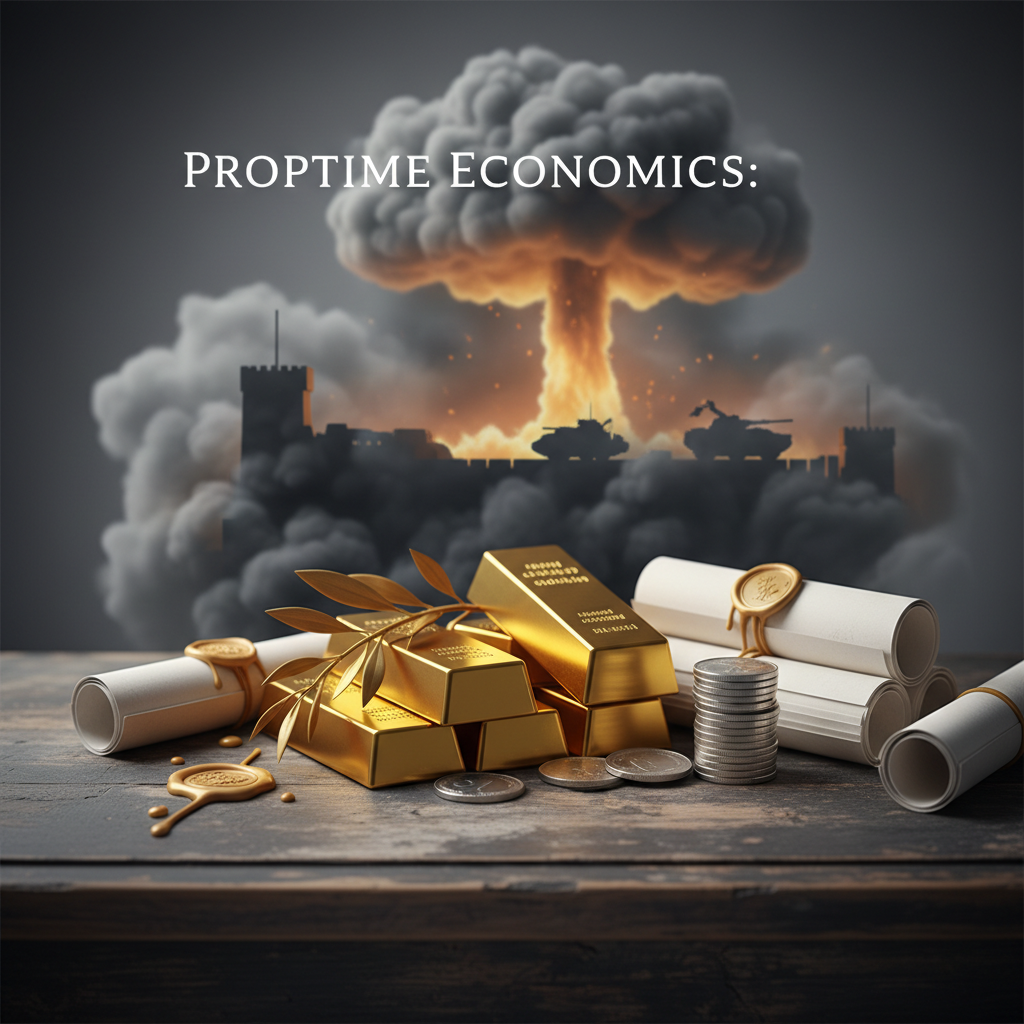
Geopolitical tensions and conflicts, unfortunately, remain a persistent feature of the global landscape. While the human cost of war is immeasurable, the economic reverberations are profound and far-reaching, impacting everything from global supply chains to individual savings. Understanding these dynamics is crucial for prudent financial planning, especially for concerned individuals, retirees, and families focused on financial preservation.
Table of Contents
The Immediate Economic Impacts of War
When a nation or region enters a state of war, the economic landscape shifts dramatically. Resources are reallocated from civilian production to military efforts, leading to immediate shortages and price increases in essential goods. Historically, conflicts like World War II saw significant industrial retooling, with factories shifting from producing consumer goods to armaments. This redirection of capital and labor inevitably creates economic strain.
For instance, the cost of sustained military operations can be staggering. The United States' involvement in conflicts over the past two decades has been estimated to cost trillions of dollars, according to various analyses, including those from Brown University's Costs of War Project. This immense expenditure often necessitates increased government borrowing, which can have long-term implications for national debt and fiscal stability.
Inflation and Currency Devaluation During Wartime
One of the most pervasive economic consequences of war is rampant inflation. Governments often resort to printing more money to finance military spending, increasing the money supply without a corresponding increase in goods and services. This dilutes the purchasing power of the currency.
“Historically, periods of significant geopolitical conflict have been closely correlated with elevated inflation rates and a decline in the real value of fiat currencies. Prudent investors recognize the importance of hedges against such devaluation.”
Consider the hyperinflation experienced in Germany after World War I, or the inflationary pressures seen in many nations during and after World War II. Even in more recent conflicts, supply shocks and increased demand for raw materials have fueled inflationary spirals globally. This erosion of purchasing power directly impacts why individuals invest in precious metals, as they seek to preserve their savings during wartime.
Government Policies and Wartime Rationing
In times of severe conflict, governments frequently implement stringent economic controls. These can include price controls, wage freezes, and most notably, wartime rations. Rationing ensures that essential goods, from food and fuel to clothing, are distributed equitably among the populace and prioritized for the war effort. While necessary for national survival, these measures significantly alter daily economic life and consumer behavior.
Such policies underscore the fragility of conventional economic systems under duress and highlight the importance of having tangible, universally recognized assets. The ability to secure basic necessities becomes paramount, and the intrinsic value of certain commodities gains prominence.
Disruption of Supply Chains and Resource Scarcity
Modern economies are built on complex global supply chains. War inevitably disrupts these intricate networks, leading to shortages of critical components, raw materials, and finished goods. Blockades, destruction of infrastructure, and rerouting of trade routes can cripple industries and leave consumers facing empty shelves.
For example, the conflict in Ukraine significantly impacted global food and energy markets due to disruptions in grain and oil exports. This kind of resource scarcity drives up prices and can lead to economic instability, demonstrating how interconnected the global economy truly is. Investors often look to commodities like gold and silver as a hedge against such market volatility and supply chain vulnerabilities.
Impact on Financial Markets and Investment Strategies
Financial markets react swiftly and often negatively to the outbreak of war. Stock markets typically experience heightened volatility and downturns as investor confidence wanes and uncertainty prevails. Industries deemed essential for the war effort, such as defense, may see temporary boosts, but the broader market often suffers.
During such periods, investors tend to flee riskier assets and seek safe havens. Government bonds, certain currencies, and particularly precious metals often see increased demand. This flight to safety is a well-documented phenomenon, with historical data consistently showing gold's performance as a store of value during geopolitical crises. Our advisory process helps clients understand these market shifts.
What happens to your money during wartime?
During wartime, the purchasing power of traditional fiat currency often diminishes due to inflation and government spending. Savings held in cash or low-yield accounts can rapidly lose value. Investments in stocks and bonds may experience significant depreciation and volatility. This makes the preservation of capital a primary concern for investors.
Diversification into assets with intrinsic value, such as investment-grade physical precious metals, becomes a critical strategy. These assets have historically maintained their value, or even appreciated, when conventional financial instruments falter.
The Enduring Role of Precious Metals During War
Throughout history, gold and silver have served as ultimate stores of value, particularly during times of conflict and economic upheaval. Their universal acceptance, portability, and intrinsic worth make them invaluable assets when national currencies are unstable or financial systems are compromised.
During World War II, many individuals and families who possessed physical gold or silver were able to preserve their wealth and even facilitate their escape or survival, as these metals were recognized and accepted across borders when paper money was not. This historical precedent underscores their role as a hedge against economic collapse and geopolitical instability.
Why is gold considered a safe haven during wartime?
Gold's reputation as a safe haven stems from several key attributes:
Intrinsic Value: Gold has been valued for millennia, independent of any government or financial institution.
Scarcity: Its limited supply makes it inherently valuable.
Universal Acceptance: Gold is recognized and accepted globally, making it a liquid asset even in times of crisis.
Hedge Against Inflation: It tends to retain purchasing power when fiat currencies devalue.
Lack of Counterparty Risk: Unlike stocks or bonds, physical gold carries no counterparty risk; its value isn't dependent on the solvency of a third party.
American Standard Gold exclusively sources from authorized mints and LBMA-approved refiners, ensuring the highest quality and authenticity for your investment-grade assets.
Gold and Silver IRAs: A Strategic Allocation
For those looking to diversify their retirement portfolios, Gold & Silver IRAs offer a powerful solution. These self-directed IRAs allow investors to hold physical investment-grade gold, silver, platinum, and palladium within a tax-advantaged retirement account. This provides a layer of protection and diversification that traditional paper assets often cannot offer, especially when considering the potential for economic disruption during wartime.
An expert advisor at American Standard Gold can guide you through the process of establishing and managing a precious metals IRA, ensuring compliance with IRS regulations and helping you select the right products from our product catalog.
Strategies for Preserving Wealth in Uncertain Times
In an unpredictable world, a robust wealth preservation strategy is paramount. Beyond precious metals, diversification across various asset classes and geographies can mitigate risk. However, the unique characteristics of physical gold and silver make them an indispensable component of any resilient portfolio.
Consider these strategies:
Diversify with Tangible Assets: Allocate a portion of your portfolio to physical precious metals.
Review Your Portfolio Regularly: Work with an expert advisor to adjust your holdings in response to geopolitical shifts.
Maintain Liquidity: Ensure you have access to funds for immediate needs, while protecting long-term wealth.
Understand Global Dynamics: Stay informed about international relations and their potential economic impacts.
American Standard Gold offers complimentary consultations to help you assess your current portfolio and develop a strategy tailored to your specific wealth preservation goals. Our sell-to-us program also provides a secure and transparent way to liquidate your precious metals when needed.
Frequently Asked Questions About Wartime Economics
Does gold always go up during wartime?
Gold has historically demonstrated a strong tendency to appreciate or hold its value during periods of war and geopolitical instability, acting as a safe haven asset. While its price movements are influenced by many factors, including interest rates and currency strength, the demand for gold as a store of value typically increases when confidence in traditional financial systems wanes due to conflict.
How does war affect the value of money?
War typically leads to a decrease in the value of fiat money due to increased government spending, often financed by printing more currency, which causes inflation. Supply chain disruptions and resource scarcity also contribute to rising prices, further eroding purchasing power. This devaluation makes it harder to preserve savings during wartime.
What is wartime rationing?
Wartime rationing is a system implemented by governments during periods of conflict to control the distribution of essential goods and resources. It ensures that critical supplies, such as food, fuel, and raw materials, are allocated fairly among the civilian population and prioritized for the war effort, preventing hoarding and ensuring national stability.
Is silver a good investment during wartime?
Yes, silver, like gold, is often considered a valuable investment during wartime. It shares many of gold's safe-haven characteristics, including intrinsic value and universal acceptance, though its price can be more volatile due to its industrial uses. Many investors include silver in their portfolios for diversification and as a hedge against economic uncertainty and inflation.
For personalized guidance on how to navigate complex economic landscapes and protect your family with investment-grade precious metals, contact an expert advisor at American Standard Gold. Schedule your complimentary consultation by calling (832) 210-1560 or emailing info@americanstandardgold.com. Visit americanstandardgold.com to learn more.