When the dollar is devalued, financial facts of life are rewritten overnight. Economic experts warn that devaluing the US dollar by 50% would disastrously transform daily life. Your $100 grocery bill now costs $200, gasoline prices swing crazily up and down during a day, and retirement accounts maintain their numerical value while their actual purchasing power is halved.
This isn't theoretical economics; it's a practical reality that smart investors prepare for. They understand which assets maintain their value during currency crises. They have a good reason for being wise. Knowing what works and what doesn't when the dollar's stability is in doubt isn't just a matter of survival; it's a way to guarantee your wealth in an increasingly uncertain global economy.
This guide covers practical assets that historically maintain value during currency crises, helping you build financial resilience without extreme measures.
What Does a Dollar Collapse Mean?
A collapse of the dollar is a sudden and significant loss of value for the U.S. dollar, precipitating a significant reduction in its purchasing power. Various circumstances may lead to such an event, including:
Loss of the status of the dollar as the world's reserve currency
Excessive monetary issuance by the Federal Reserve
Large-scale sell-offs of U.S. Treasuries by foreign governments
A disruption of the petrodollar system, in which oil is denominated in dollars
Effects on the average American would include:
Imports at a higher price
Inflation of all businesses domestically at a quicker rate
Unstability of the banking system, which could lead to restrictions
Social problems as communities learn to adapt
Check out the assets that you can own when the dollar collapses.
1. Physical Precious Metals
For thousands of years, gold has served as an effective form of money and has typically performed well during currency crises. Gold kept its purchasing power during Zimbabwe's hyperinflation, when the Zimbabwe dollar became worthless.
Gold ownership options include:
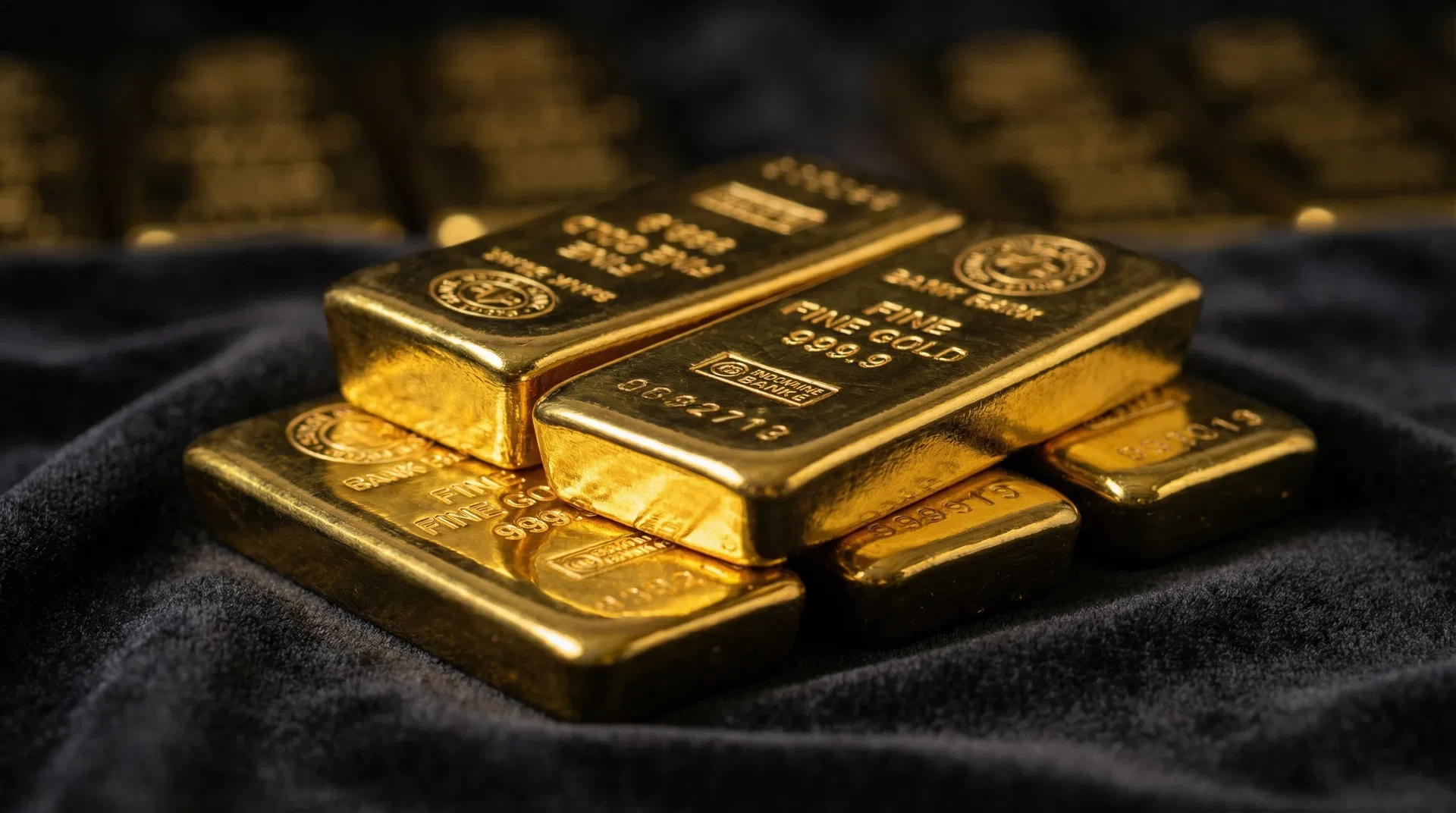
Bars of bullion - Available in sizes ranging from 1 oz to 1 kg, gold bars are ideal for long-term wealth storage with lower premiums per ounce.
Gold IRA - A self-directed Gold IRA allows you to invest in IRS-approved gold through a trusted gold IRA investment company. This is a tax-advantaged way to diversify retirement savings with physical gold.
Coins that are minted by the government (like the American Eagle and the Canadian Maple Leaf).
Fractional gold - (smaller units for potential transactions). Think about putting 10-15% of your overall portfolio into physical gold. This gold should be kept in safe places, either in a safe at home or in a private vault.
Silver provides comparable protection, along with some extra perks.
Lower-cost way to enter
Price support from industrial demand
"Junk silver" (pre-1965 US coins) for possible minor deals.Has been a historically high-growth opportunity during monetary debacles.
Compared to paper assets, both metals provide something that can't be equated with the promises of any government: real, tangible value. Whenever the assets of a government, no matter how powerful, are threatened, such as during a panic or war, the promises of paper always seem less credible, while gold and silver retain their worth.
2. Strategic Real Estate
Wealth has long been preserved by property ownership, even as currencies have been devalued time and again. Concentrate on:
Income-producing properties that adjust to inflation:
Rental units that have short-term leases
Properties with no major deferred maintenance issues
Five or more units; more strongly, 10 or more
No more than 1.5 times the area median income in any significant proportion of tenants
Communities with stable housing prices and low vacancy rates
Properties with no major unresolved tenant complaints
Commercial real estate with rent tied to inflation.
Commercial properties with leases that are indexed to inflation.
Agricultural land with multiple uses:
Agrarian land with assured water entitlements
Timber characteristics that make it suitable for sustainable forestry.Land in rural areas with access to natural resources.
International real estate for geographic diversification:
Characteristics in nations with consistent financial practices
Aspects of properties situated within countries that maintain a stable monetary system
Attributes of real estate in regions with secure financial climates
Components of properties located within the borders of stable monetary policy nations
Places where the national currency is strong.
Possible choices for a second home
Likely alternatives for a part-time residence
Other viable options for a second dwelling
If direct ownership isn't possible, think about investing in REITs that target inflation-resistant sectors such as storage, healthcare facilities, or apartment buildings.
3. Essential Commodities
Necessities maintain value regardless of currency fluctuations. Consider:
Energy assets:
Partnerships or royalty trusts in oil and gas
Stocks of uranium companies provide exposure to nuclear power
Infrastructure investments in renewable energy
Agricultural commodities:
Trusts for farming investments
Agricultural ETFs are supported by commodities
Shares in companies that produce essential foods
Water resources:
Water supply companies in areas of little rainfall
Firms specializing in technology to make water clean
Direct, legally acceptable ownership of rights to water
These assets usually increase in value with inflation while offering exposure to the kinds of core human necessities that are valuable in any economic climate.
4. Alternative Currencies
Diversifying beyond the dollar provides important protection:
Decentralized cryptocurrencies:
Bitcoin is a digital alternative with a limited supply
Ethereum and other well-known blockchain networks
For secure storage, use hardware wallets.
Stable foreign currencies:
Swedish Krona, Singapore Dollar, Norwegian Krone, Swiss Franc
Accounts in different currencies and legal systems
Foreign currency accounts in various countries
Some actual liquidity for immediate requirements
Asset-backed alternatives:
Digital currencies backed by gold
Local exchange trading systems
Assets that are ready for barter and have universal usefulness.
Combining these alternatives creates resilience against dollar-specific problems while also ensuring liquidity.
5. Inflation-Protected Securities
Specific financial instruments that counter inflation are designed as follows:
Treasury Inflation-Protected Securities (TIPS):
Principal value rises with the Consumer Price Index
A secure investment that is backed by the government and offers protection against inflation.
Accessible via Treasury Direct or various brokerages
I-Bonds:
US savings bonds with interest rates that are adjusted for inflation.
Limits on buying (annually, $10,000 per person)
Advantages in taxes and support from the government.
Inflation-indexed annuities:
Streams of income that rise with the inflation rate.
Payments are guaranteed no matter how the market performs.
Safeguarding from the risk of living too long
These are a compromise between tangible hard assets and traditional paper investments.
6. Dividend-Paying Stocks in Essential Industries
During currency crises, companies that supply essentials generally retain their worth.
Consumer staples:
Producers of food and drink
Manufacturers of personal care products
Healthcare providers:
Manufacturers of pharmaceuticals
Suppliers of medical equipment
Providers of healthcare services
Utilities:
Power supply firms
Electricity suppliers
Concentrate on firms that have:
Robust balance sheets with scant debt
The ability to push inflation onto consumers
Revenue that comes from outside the U.S.
A long tradition of paying dividends, even during tough times
7. Rare Collectibles with Proven Value
Some collectibles keep their buying power for hundreds of years.
Rare coins:
Gold coins that were produced before 1933 and have numismatic worth
Silver coins from major world mints that are key dates
Ancient coins that have historical importance
Fine art:
Artists with records of sales at auction
A range of styles and periods
Correct authentication and provenance
Valuable collectibles include:
Rare stamps
Books that are first editions
Historical artifacts
The focus should be on assets with proven markets, low supply, and lasting cultural importance, not on uncertain collectibles.
8. Debt-Free Income Streams
Having income streams that are not predicated on debt creates a more secure financial life.
Royalty trusts:
Royalties from mining
Royalties related to intellectual property
Royalties from music catalogs
Established businesses:
Service companies that don't need much equipment.
Digital products that provide ongoing revenue.
Local businesses that serve vital, everyday needs.
Specialized skills:
Services to business with sustained demand
Acumen in vital technical areas
Services to businesses that revolve around creativity and have a stable, long-standing clientele
Income streams can adjust to inflation while dodging the hazards associated with leveraged investments.
9. Strategic Debt on Hard Assets
Being debt-free offers a sense of security, but strategic use of fixed-rate debt on appreciating assets can be beneficial during inflation.
Fixed-rate mortgages on income properties:
Fixed rates for the long term (30-year terms)
Properties that earn inflation-indexed income
Cash flow that is positive despite rising costs
Business loans for essential service companies:
Financing at a fixed rate
Companies with the ability to set prices
Businesses providing essential services
When inflation climbs, these borrowings become simpler to pay back with worthless dollars, even while the basic holdings keep growing in worth. Inflation is like a magic wand that turns bad debts into good ones.
10. Community Investments
The relationships people have with others in their local community and neighborhood provide a level of security that goes beyond financial assets.
Local producer relationships:
Farm-to-table links
Nearby artisans and fix specialists.
Community-supported agriculture membership programs
Skill-sharing networks:
Services de comercio con los vecinos
Collaborative working environments
Support groups for mutual assistance
Community resilience systems:
Planning for emergencies at the neighborhood level
Efficient use of shared resources
Coordination of local food production
These social investments yield returns in accessibility to resources, no matter what currency is being discussed.
Practical Implementation Strategy
Rather than making dramatic changes, consider this phased approach:
Phase 1: Foundation (First 3-6 months)
Build 3-6 months of expenses in physical assets
Acquire a small precious metals position (5-10% of investments)
Establish basic self-sufficiency supplies
Begin skill development in key areas
Phase 2: Diversification (6-18 months)
Expand precious metals to target allocation (10-20%)
Add strategic real estate if appropriate
Establish alternative currency positions
Develop community connections
Phase 3: Refinement (Ongoing)
Adjust allocations based on economic conditions
Deepen self-sufficiency capabilities
Expand income streams
Fine-tune international diversification
Key Takeaways
A dollar collapse would dramatically impact purchasing power and financial security
Physical precious metals provide time-tested protection against currency devaluation
Real assets like property, commodities, and productive equipment maintain value
Alternative currencies create options beyond the dollar
Self-sufficiency reduces vulnerability to economic disruption
The best protection combines financial assets, practical skills, and community connections
Frequently Asked Questions
How much of my portfolio should be in "collapse hedge" assets?
Most financial advisors suggest 10-30% in hard assets as protection, depending on your risk assessment and time horizon. Start with a smaller allocation and increase gradually as you become comfortable with these asset classes.
Isn't preparing for a dollar collapse extreme?
Many of these assets perform well in less severe scenarios like high inflation or economic stagnation. They represent prudent diversification rather than extreme preparation.
Should I go into debt to acquire these assets?
Generally no. While some strategic fixed-rate debt on income-producing property can make sense, avoid high-interest debt or overleveraging. Build your position gradually with available resources.
Remember that financial resilience comes from diversification across multiple asset types, geographic regions, and strategies. The goal isn't to predict exactly what will happen, but to be prepared for various economic scenarios while maintaining growth potential.
The Core 4 Precious Metals: Your Dollar-Collapse Defense Portfolio
While diversification across asset classes is essential, precious metals deserve a central role in any dollar-collapse preparedness strategy. Here are the four metals that institutional investors and high-net-worth individuals rely on most:
1. Gold — The Ultimate Safe Haven
Gold has been the world's reserve store of value for over 5,000 years. In every major currency crisis — from Weimar Germany to modern Venezuela — gold holders preserved their purchasing power while paper currency holders were devastated. Gold is universally recognized, highly liquid, and maintains value regardless of which government or central bank is in power. For dollar-collapse protection, gold should form the foundation of your precious metals allocation (typically 50-60% of your metals position).
2. Silver — The Accessible Wealth Preserver
Silver offers dual protection: it serves as both a monetary metal and an industrial commodity. In a dollar collapse, silver's lower per-ounce cost makes it ideal for everyday transactions and barter. Historically, silver outperforms gold in percentage terms during precious metals bull markets. Its growing industrial demand (solar panels, electronics, medical devices) provides a price floor that purely monetary assets lack. Most advisors recommend silver at 25-35% of your metals allocation.
3. Platinum — The Strategic Diversifier
Platinum is 30 times rarer than gold and has critical applications in automotive catalytic converters, hydrogen fuel cells, and medical equipment. Currently trading at a significant discount to gold (historically it traded at a premium), platinum represents exceptional value for forward-thinking investors. Its supply concentration (primarily South Africa and Russia) means geopolitical disruptions can rapidly increase its price. A 5-10% allocation to platinum adds meaningful diversification.
4. Palladium — The Industrial Powerhouse
Palladium has outperformed every other precious metal over the past decade, driven by relentless industrial demand and constrained supply. Used primarily in catalytic converters for gasoline engines, palladium benefits from tightening emissions standards worldwide. In a dollar-collapse scenario, palladium's essential industrial role ensures continued global demand regardless of U.S. monetary policy. A 5-10% allocation provides exposure to this high-growth metal.
Protect Your Retirement: The Precious Metals IRA
If you're serious about protecting your retirement savings from a dollar collapse, a Precious Metals IRA (also called a Gold IRA or Self-Directed IRA) allows you to hold physical gold, silver, platinum, and palladium within a tax-advantaged retirement account. Key benefits include:
- Tax-deferred or tax-free growth — Your metals appreciate without annual capital gains taxes (Traditional or Roth IRA)
- Physical ownership — You own real, tangible metals stored in IRS-approved depositories, not paper derivatives
- Easy rollover — Transfer funds from an existing 401(k), 403(b), TSP, or traditional IRA with no tax penalty
- Dollar-collapse insurance — Your retirement is denominated in real assets, not depreciating paper currency
- LBMA-approved products — Only investment-grade metals from LBMA-approved refiners qualify, ensuring quality and liquidity
A Precious Metals IRA is one of the most effective legal strategies to shield your retirement from currency debasement, inflation, and systemic financial risk.
Why American Standard Gold?
With over 15 years of experience and more than $2 billion in precious metals transactions, American Standard Gold provides institutional-grade advisory services for individuals and families seeking to protect their wealth. Our expert advisors build personalized allocation strategies based on your unique financial situation — not one-size-fits-all recommendations.
- ✓ Complimentary portfolio consultation with an expert advisor
- ✓ Partnerships with NGC, PCGS, and leading IRA custodians
- ✓ Only LBMA-approved products from certified refiners
- ✓ Transparent pricing — no hidden fees or pressure tactics
- ✓ Insured delivery and secure storage options
Schedule a Complimentary Consultation
Or call us directly: (877) 842-7690
Browse our full selection of investment-grade gold, silver, platinum, and palladium →