Understanding the Core Dynamics of U.S. Yields and Gold
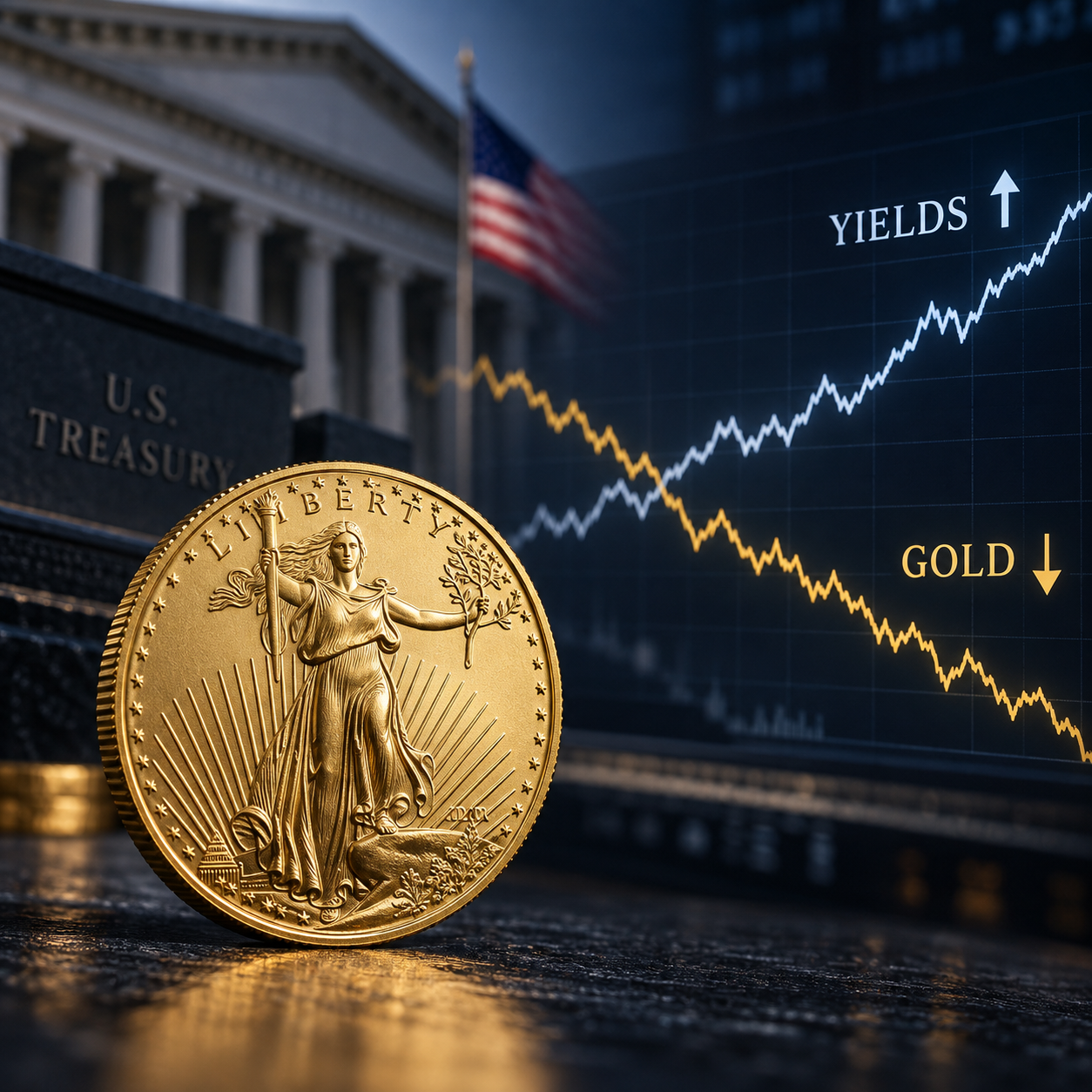
In the complex architecture of global macroeconomic forecasting, few relationships are as reliably tracked by institutional investors as the inverse correlation between U.S. yields and gold prices. Whenever the financial markets discuss interest rate movements, Treasury notes, and inflation expectations, precious metals react swiftly in the opposite direction. For families and individual investors seeking long-term wealth preservation, decoding this mechanism is vital to navigating shifting monetary policy.
Historically, market observers note that higher bond yields increase the opportunity cost of holding non-yielding assets, causing gold prices to decline. Conversely, when yields decline, the relative attractiveness of precious metals surges. According to recent data compiled by the World Gold Council, persistent shifts in real interest rates remain one of the primary drivers of physical demand across international markets, influencing both spot valuations and long-term allocations.
TL;DR: Key Takeaways for Precious Metals Investors
- Inverse Correlation: When benchmark U.S. yields rise, gold prices typically face downward pressure; when yields fall, gold tends to appreciate.
- The Role of Real Yields: Nominal yields adjusted for inflation (real yields) serve as the most accurate metric for anticipating precious metal trends.
- Opportunity Cost: Fixed-income securities pay interest, whereas physical metals do not, making yield benchmarks a critical consideration for portfolio balance.
- Hedge Against Uncertainty: Beyond interest rates, geopolitical risk and currency devaluation continue to support robust sovereign bullion accumulation.
To fully understand how these macroeconomic pillars interact, it helps to examine the underlying mechanics of fixed-income instruments and their direct transmission into tangible asset valuations across the United States.
What Are U.S. Yields and Why Do They Matter?
U.S. yields refer to the annualized return an investor receives on debt issued by the United States Department of the Treasury, most notably the benchmark 10-year Treasury note. These yields fluctuate daily based on bond prices, which move inversely to yields. When economic growth accelerates or inflation spikes, bond prices fall, causing yields to rise and gold to face headwinds. Conversely, during economic downturns, safe-haven buying drives bond prices up, pushes yields down, and lifts precious metal valuations.
As these benchmark figures shift, they set the baseline borrowing costs for everything from corporate mortgages to consumer credit cards. Because the United States dollar acts as the world's primary reserve currency, global markets watch these sovereign debt metrics closely. When evaluating broader macroeconomic exposure, many savvy investors look at why invest in precious metals to hedge against sovereign debt expansion and currency volatility.
The Inverse Relationship Explained: Why Gold Drops When Yields Rise
The inverse relationship between U.S. yields and gold is rooted in the concept of opportunity cost. Gold is a tangible asset that generates no periodic coupon, dividend, or interest payment. When U.S. Treasury yields rise—offering investors a guaranteed, risk-free return backed by the federal government—capital often flows out of non-yielding assets like investment-grade bullion and into interest-bearing bonds.
To put this into historical perspective, consider the following structural comparison points:
- High Yield Environment: Higher real interest rates increase the carrying cost of bullion, often leading to capital consolidation in cash equivalents and fixed income while gold contracts.
- Low or Negative Real Yields: When inflation outpaces nominal bond yields, real returns turn negative. In this scenario, holding cash results in guaranteed purchasing power erosion, driving institutional and retail buyers toward physical gold as yields drop.
- Central Bank Policy Shifts: Federal Reserve rate-cutting cycles historically compress yields and trigger significant rallies in precious metals.
Data from the Federal Reserve shows that multi-year rate easing cycles consistently align with structural bull markets for precious metals as yields decline. This dynamic reinforces why physical allocation serves as a core component of a resilient portfolio structure.
Nominal vs. Real Yields: Which Metric Matters More for Gold Prices?
A common pitfall for developing market analysts is focusing solely on nominal interest rates rather than real yields. Nominal yields represent the stated return on a bond, while real yields subtract expected inflation from that nominal figure. When tracking gold prices, real yields serve as the superior indicator.
“Real yields dictate the true cost of holding capital in cash or debt instruments. When real yields drop below zero, gold shifts from being a speculative asset to an essential defensive store of value.”
For example, if a 10-year Treasury yields 4.5% but the Consumer Price Index (CPI) reflects a 5.0% inflation rate, the real yield is -0.5%. In such an environment, holding physical assets like gold or silver becomes structurally advantageous because the underlying metal retains its purchasing power independently of fiat monetary expansion.
Integrating Precious Metals Into Your Long-Term Strategy
Navigating the interplay between U.S. yields, economic indicators, and asset allocation requires a disciplined approach. Whether you are examining Gold & Silver IRA information or structuring a direct physical delivery strategy, understanding macroeconomic fundamentals helps mitigate systemic risk.
At American Standard Gold, our expert advisors work closely with clients to construct robust, balanced portfolios utilizing investment-grade bullion sourced exclusively from authorized mints and LBMA-approved refiners. To explore how current macroeconomic conditions impact your long-term wealth preservation objectives, you can review our advisory process, browse our product catalog, or schedule a complimentary consultation today.
Frequently Asked Questions
Why do gold prices fall when U.S. yields go up?
Gold prices often fall when U.S. yields rise because higher yields increase the opportunity cost of holding non-yielding assets like physical bullion, encouraging investors to shift capital into interest-bearing debt instruments.
What is the difference between nominal and real yields regarding gold?
Nominal yields are the raw interest rates on government bonds, whereas real yields adjust those rates for inflation. Real yields have a much stronger inverse correlation with gold prices because they measure the actual purchasing power return of holding cash versus tangible assets.
How do Federal Reserve interest rate cuts affect gold?
Federal Reserve rate cuts typically lower bond yields and weaken the U.S. dollar, both of which reduce the opportunity cost of holding precious metals and historically drive gold prices higher as yields compress.
Is gold a reliable hedge during periods of high inflation?
Yes, gold has served as a reliable long-term hedge against inflation and currency debasement for centuries, particularly when real interest rates turn negative and fiat purchasing power declines.